
KALI IN BALI 2027 | INSTRUCTOR
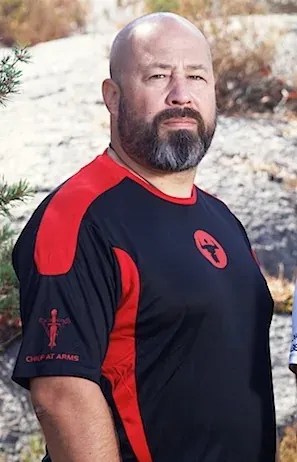
Lahong Guro Heikki Martikainen
Kali Sikaran • Kombatan • Kali3D
With more than four decades in martial arts and thirty years in Filipino Martial Arts, Heikki brings extensive international teaching experience, a practical approach to training and a genuine enthusiasm for helping students develop.
Originally from Finland and now based in Perth, Western Australia, his martial arts journey has taken him from the Judo mats of his childhood to teaching and collaborating with practitioners around the world.
At a Glance
🇫🇮 Country: Finland | Based in Perth, Australia
⚔️ Primary Systems: Kali Sikaran / Kali3D & Kombatan / Filipino Martial Arts
🥋 Additional Arts: Japanese Ju-Jutsu • Kempo • Karate • Pencak Silat
🌍 International Teaching: Seminars and camps across numerous countries
🏆 Experience: More than four decades in martial arts
🤝 Current Involvement: Kali Sikaran Alliance, World FMA Alliance and Kali in Bali
Originally from Finland and now based in Perth, Western Australia, Lahong Guro Heikki Martikainen has dedicated more than four decades to martial arts, including 30 years in Filipino Martial Arts.
His experience spans Kali Sikaran, Kombatan Presas Style, Kali3D and several other martial arts traditions. Over the years, he has developed from a dedicated practitioner and competitor into an international instructor, educator and organiser.
Today, his work focuses not only on teaching martial arts, but also on developing better training programmes, supporting instructors and creating opportunities for practitioners to learn and grow together.
He is a co-founder of Kali Sikaran Alliance and World FMA Alliance, and co-organises Kali in Bali alongside Josh Doutch.
Where it all Began
A Bookworm, a Persistent Mother and an Unexpected Discovery
Heikki's martial arts journey began in Sweden at the age of six, a couple of years after his family had moved there from Finland. Getting him onto the training mats took some persuasion. As a rather chubby young bookworm, he had little interest in the extracurricular activities his mother kept suggesting.
That changed when she mentioned Judo. His curiosity was enough to get him through the door, and what began as a reluctant experiment eventually became a lifelong passion.
Over the years, his interests expanded into Karate, Kempo, Ju Jutsu and other martial arts. Each contributed something different to his understanding of movement, technique and training, long before Filipino Martial Arts became the central focus of his teaching.
Thirty Years of Filipino Martial Arts
From Student to International Instructor
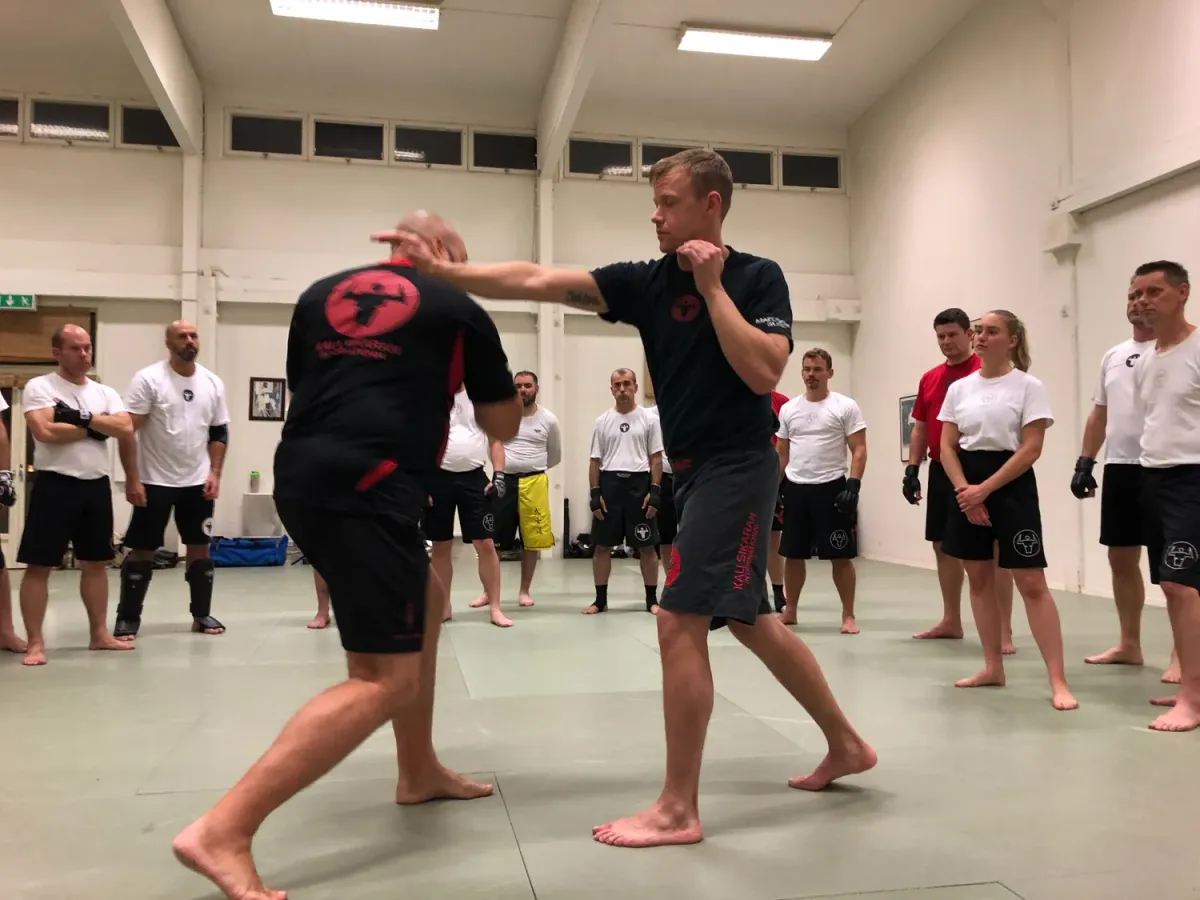
IIn 1996, Heikki began training with Punong Guro Johan Skålberg, initially drawn by an interest in knife training and close-quarter combat. What he discovered was Kali Sikaran, a Filipino Martial Arts system combining weapons, empty-hand fighting, movement and tactical principles in ways that complemented his previous martial arts experience.
His involvement grew from dedicated student to instructor and eventually to a senior teaching role within Kali Sikaran International. Working closely with Johan Skålberg and influenced by the teaching of Jeff Espinous, Heikki spent many years developing students and instructors, contributing to training programmes and helping create opportunities for international training.
Over the following three decades, martial arts took him around the world to teach seminars and camps, train with experienced practitioners and build friendships that have lasted for decades. Those experiences broadened his understanding of martial arts and introduced him to different approaches to teaching and learning. Throughout that journey, Kali Sikaran has remained an important foundation of his work, while his curiosity and willingness to learn from others have continued to shape his development.
Becoming a Better Teacher
Experience, Understanding and the Responsibility to Pass It On
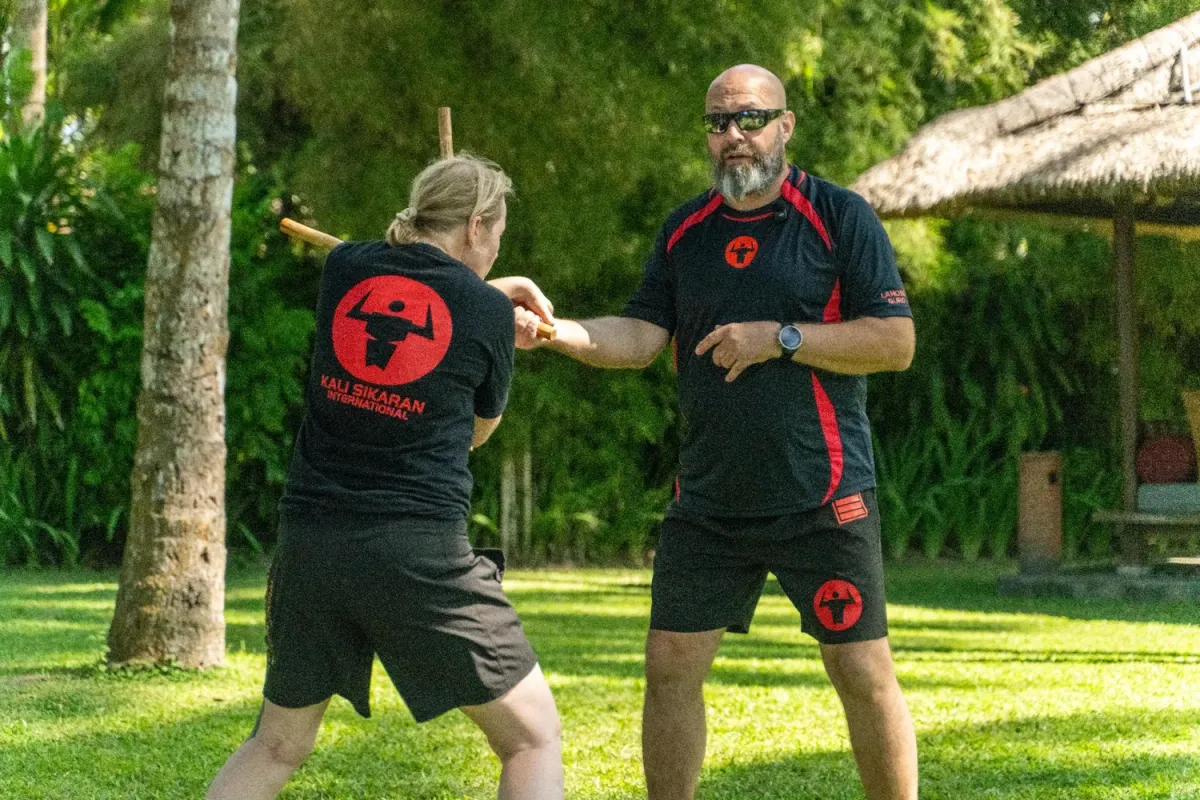
Heikki has always had high expectations of himself and his students, although he readily admits that his approach to teaching hasn't always been particularly accommodating. In his younger years, he expected everyone who walked through the door to share his own intense commitment to training. Looking back, he suspects that attitude probably scared away hundreds of potential students who might otherwise have enjoyed martial arts.
Experience gradually taught him that people train for very different reasons. Some want to become highly skilled martial artists, while others are looking for fitness, confidence, personal development or simply an enjoyable activity. Understanding those differences changed his approach from expecting students to arrive with the right attitude to helping them develop it.
Training and working with instructors around the world also sparked a growing interest in teaching methods, psychology and how people learn. He became increasingly interested in finding clearer ways to explain techniques, develop understanding and help students progress without unnecessary frustration.
One idea has become particularly important to him: if something took him twenty years to understand, he'd much rather help his students reach that understanding in ten. That doesn't mean removing the effort or discipline required, but providing better explanations, more logical training progressions and the benefit of lessons learned through experience.
Today, Heikki remains a demanding instructor, combining technical detail with practical examples, comparisons between martial arts, storytelling and occasionally some rather unexpected humour. He wants students to understand why something works, rather than simply memorising what to do. For him, good teaching is measured not only by what an instructor knows, but by how effectively that knowledge can be passed on and developed further by the next generation.
Learning, Collaboration and Contribution
Working with People, Developing Ideas and Sharing Experience
Working with Senior Grandmaster Andy Elliott
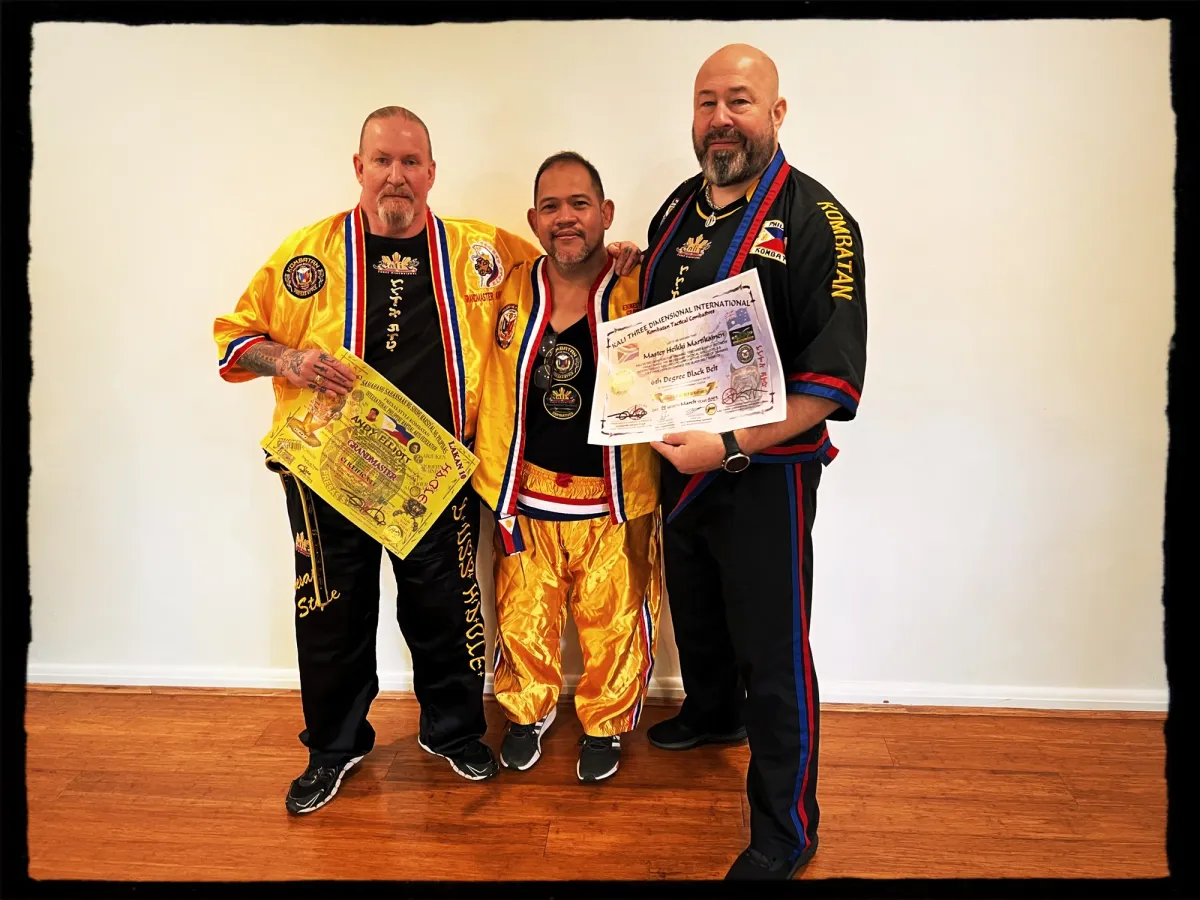
One of Heikki's longstanding friendships and collaborations in martial arts is with Senior Grandmaster Andy Elliott. Their relationship has developed over many years through training, teaching, exchanging ideas and a shared interest in understanding how traditional martial arts can continue to evolve.
Andy’s foundation in Kombatan Presas Style and his development of Kali3D have provided opportunities for Heikki to contribute to discussions, training methods and the practical development of the material. Heikki holds the rank of 7th-degree Senior Master in Kombatan Presas Style and 6th-degree Master in Kali3D under Andy.
Heikki was also present when Andy received his 10th-degree black belt, an occasion that reflected many years of dedication to Kombatan and the people who have helped carry its traditions forward.
Beyond ranks and organisations, Heikki values Andy as a trusted friend, mentor and sounding board. Their collaboration reflects something he considers particularly important in martial arts: the opportunity to keep learning from one another, regardless of experience or seniority.
MultiDimensional Warriors and Escape Illegal Restraints
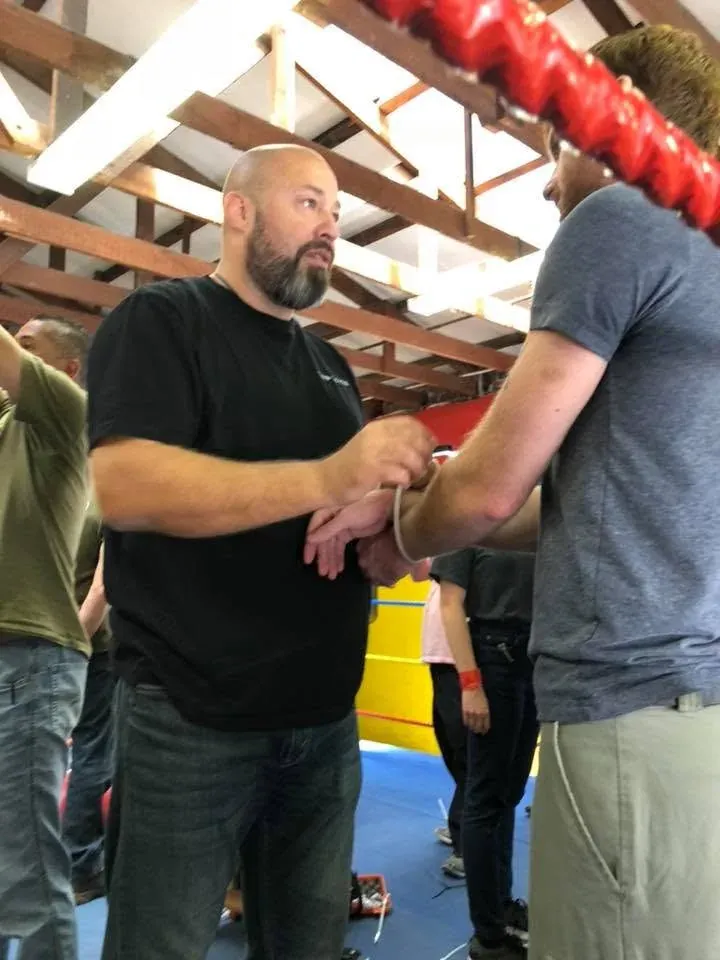
Heikki's interest in practical applications and teaching methodology has also led to involvement with MultiDimensional Warriors (MDW), a South African organisation whose training approach explores combative skills beyond conventional martial arts formats.
During his development as an MDW instructor, Heikki created a training module called Escape Illegal Restraints, examining the problems associated with being physically restrained and how those situations can be approached through structured, practical training.
He has taught the material, or elements of it, in Sweden, Thailand, Australia, Singapore and South Africa. One particularly meaningful experience was being invited to South Africa to present his work to the MDW team, where the training was well received.
For Heikki, the experience reinforced the value of collaboration between instructors with different backgrounds. It also demonstrated how knowledge developed through traditional martial arts can contribute to new training methods when approached with curiosity, critical thinking and a willingness to test ideas.
Beyond the Training Hall
Bringing People Together Through Training and Shared Experiences
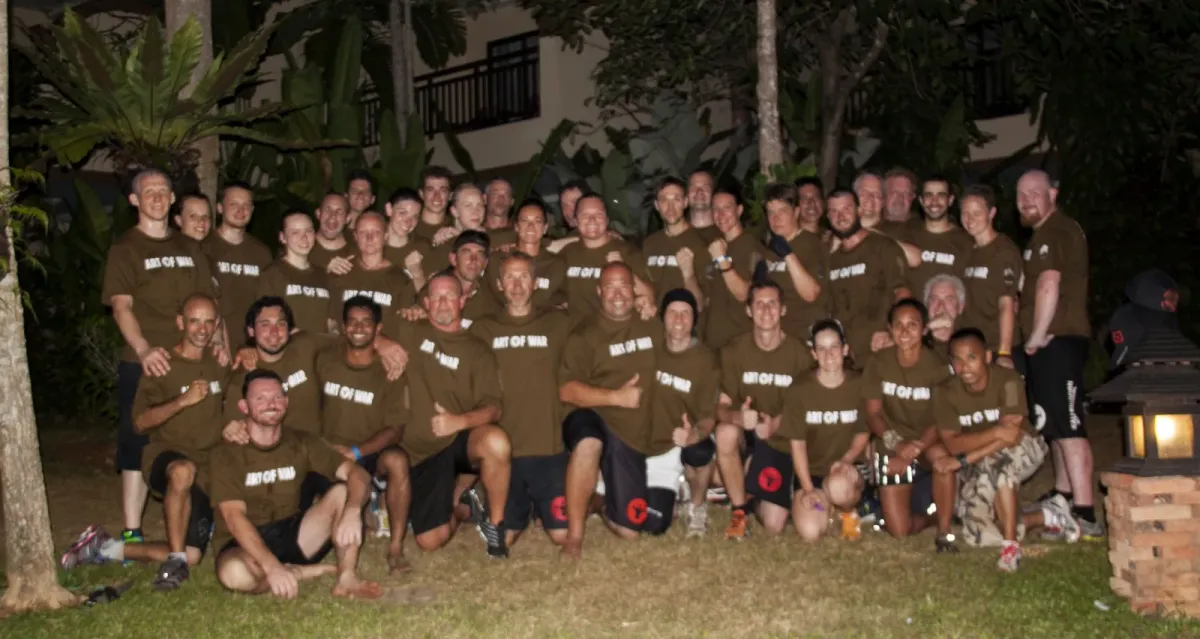
Organising training opportunities has been an important part of Heikki's martial arts journey for many years. Alongside his regular teaching, he has arranged local workshops, international seminar tours, instructor development programmes, competition preparation camps and specialised training trips.
Since 2009, his Mandirigma Camps have brought practitioners together in locations including Tunisia, Thailand, the Philippines and Western Australia. These camps were designed to offer more than a few days of intensive training, combining opportunities to learn from experienced instructors with the friendships and shared experiences that develop when people spend time together.
Heikki has also organised smaller, more specialised events, including summer and winter camps, instructor training weekends and invitation-only trips where participants could explore particular subjects in greater depth.
While he enjoys the planning and logistics involved, what matters most to him is creating an environment where participants feel welcome, instructors can share their knowledge and everyone leaves with something worthwhile. Many of the friendships and collaborations that have shaped his martial arts journey began at events like these.
Building What He Wishes He'd Had
Better Resources, Better Opportunities and Supporting the Next Generation
Throughout his martial arts journey, Heikki has often found himself wishing that certain resources, opportunities or explanations had been available when he was starting out. Rather than simply accepting those limitations as part of the learning process, he has increasingly focused on finding ways to make things easier for the instructors and students who follow.
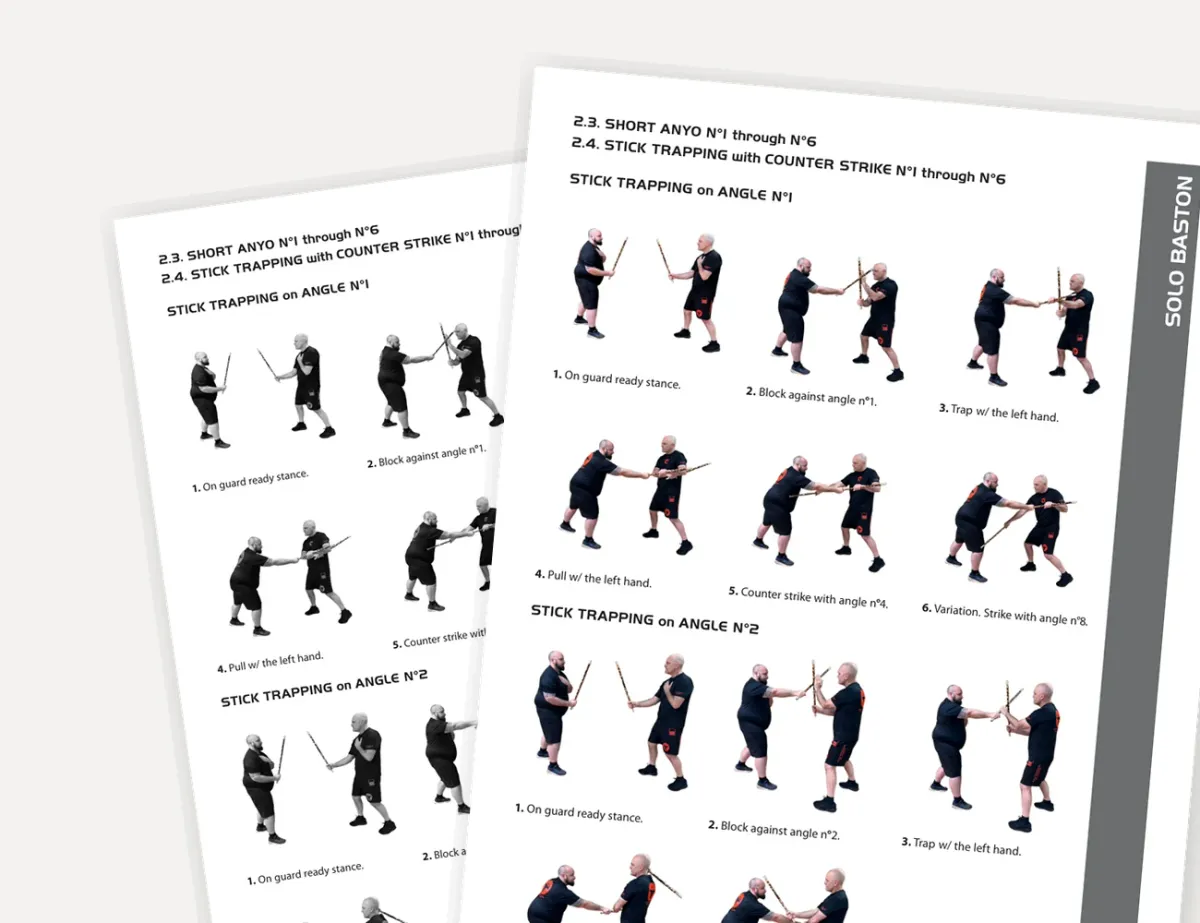
One example is his ongoing work developing training programmes and instructional manuals. Now working on the fourth generation of his training materials, he is revisiting the content, replacing outdated photographs and refining how techniques and concepts are presented. The aim is to provide instructors with clearer, more practical resources that support consistent teaching while leaving room for individual understanding and development.
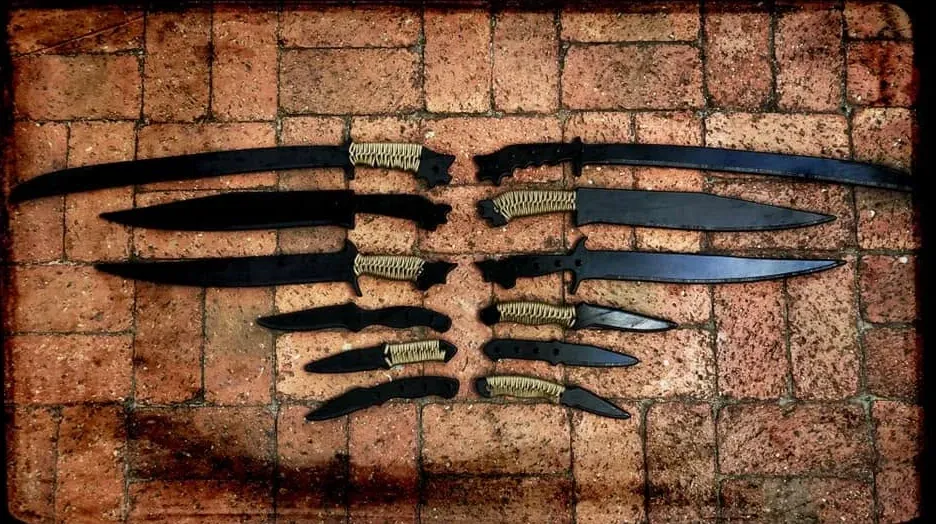
He has also spent considerable time developing and producing training equipment, including polymer training knives and swords, and more recently exploring the manufacture of aluminium training blades. For Heikki, having access to good-quality, affordable equipment shouldn't be an unnecessary obstacle to learning.
Beyond the physical resources, he is interested in creating better opportunities for instructors to exchange ideas, access information and contribute to the development of their training programmes. He believes that experience and knowledge become more valuable when they are shared, questioned and improved upon rather than simply preserved.
Much of this work is still developing, and Heikki readily admits that there is always more to do. His motivation, however, remains fairly straightforward: to give the next generation of students and instructors some of the support, resources and opportunities he would have appreciated having himself.
Kali Sikaran Alliance
Respecting the Roots, Building the Future Together
After many years of teaching and helping develop Kali Sikaran internationally, Heikki became one of the co-founders of Kali Sikaran Alliance (KSA), an organisation built around a shared commitment to the art, its practitioners and its continued development.
KSA remains firmly rooted in Kali Sikaran and the knowledge passed down through the instructors and organisations that helped shape it. Heikki has considerable respect for the people who contributed to his own development and believes that moving in a new direction does not mean forgetting where you came from.
One of the guiding ideas behind KSA is that experienced instructors should have a genuine opportunity to contribute to the organisation's direction. Rather than relying on a single person to make every decision, the Alliance encourages open discussion, collaboration and shared responsibility. It is an approach Heikki believes helps instructors develop confidence, take ownership of their work and learn from one another.
The Alliance also places considerable emphasis on supporting its instructors with practical teaching resources, opportunities for further development and the freedom to contribute their own experience and perspectives. The aim is to maintain a recognisable foundation while allowing the organisation and its teaching methods to continue evolving.
For Heikki, KSA represents an opportunity to put into practice many of the lessons he has learned over the years, both as a student and as a teacher. It is still growing, and there is plenty of work ahead, but he finds particular satisfaction in seeing instructors from different countries working together to help build something they can all feel part of.
Creating Kali in Bali
Good Training, Good People and a Reason to Come Together
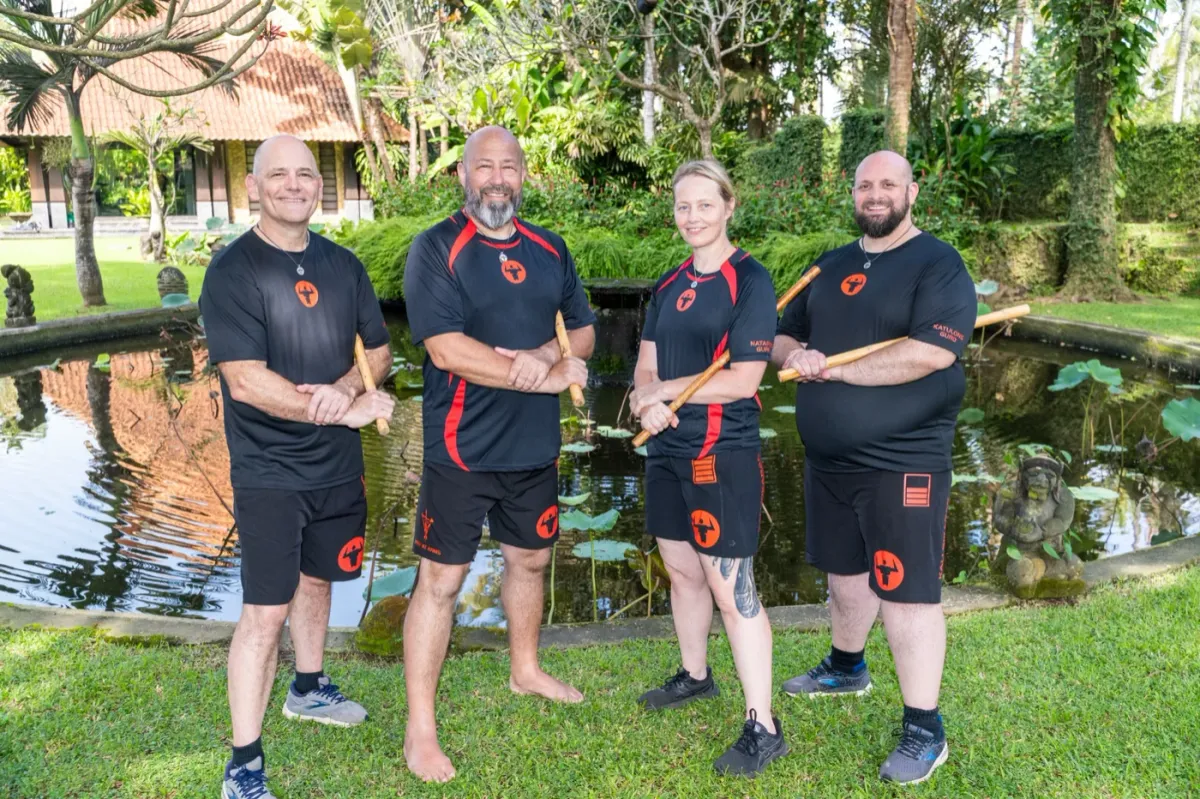
Kali in Bali grew out of a simple idea from Heikki's friend and fellow organiser, Josh Doutch. Having shared years of training, travelling and organising martial arts activities, the two began exploring the possibility of bringing experienced instructors and enthusiastic practitioners together for a training camp in Bali.
For Heikki, the idea felt like a natural continuation of the international camps he had been organising since 2009. The opportunity to train intensively was important, but so was everything surrounding it: sharing meals, meeting people from different countries, exchanging experiences and enjoying the friendships that develop when people spend several days together.
Working alongside Josh, Heikki helped turn the idea into an international event. The planning involves considerably more than arranging instructors and training sessions, with accommodation, transport, equipment, schedules and countless smaller details all needing attention. Fortunately, organising things is something Heikki genuinely enjoys, even if he occasionally wonders why he keeps giving himself so much to organise.
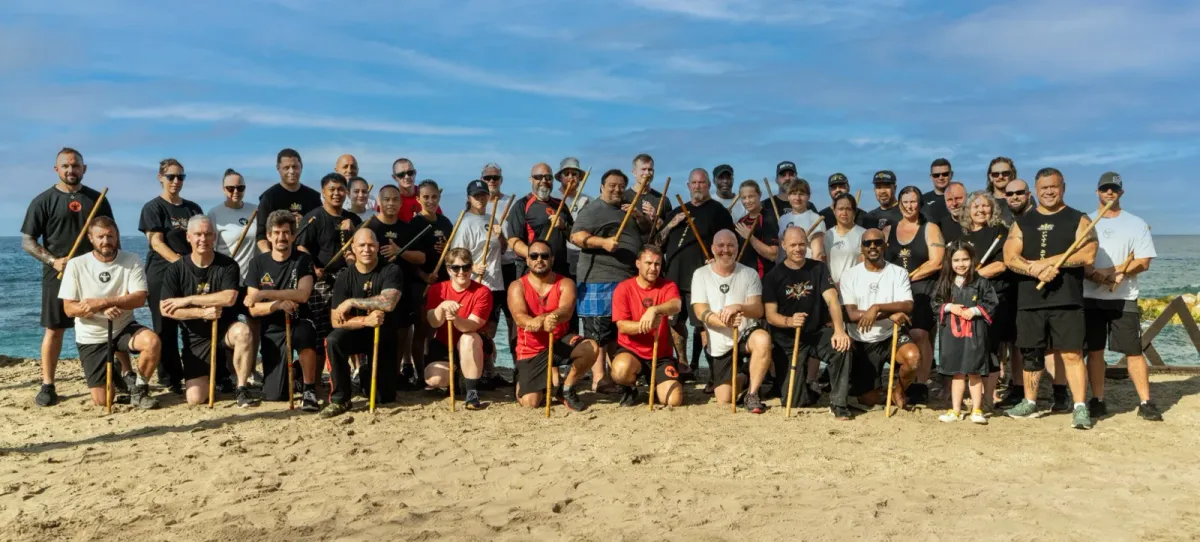
What has been particularly rewarding is watching the event develop its own community. Participants arrive with different backgrounds, levels of experience and expectations, but often leave with new friendships, fresh ideas and connections that continue long after the camp has finished.
For Heikki, Kali in Bali is an opportunity to bring together many of the things he values most about martial arts: quality instruction, an open exchange of knowledge, mutual respect and the simple pleasure of spending time with people who share a common interest.
Training With Heikki
Understanding the Why, Not Just Learning the How
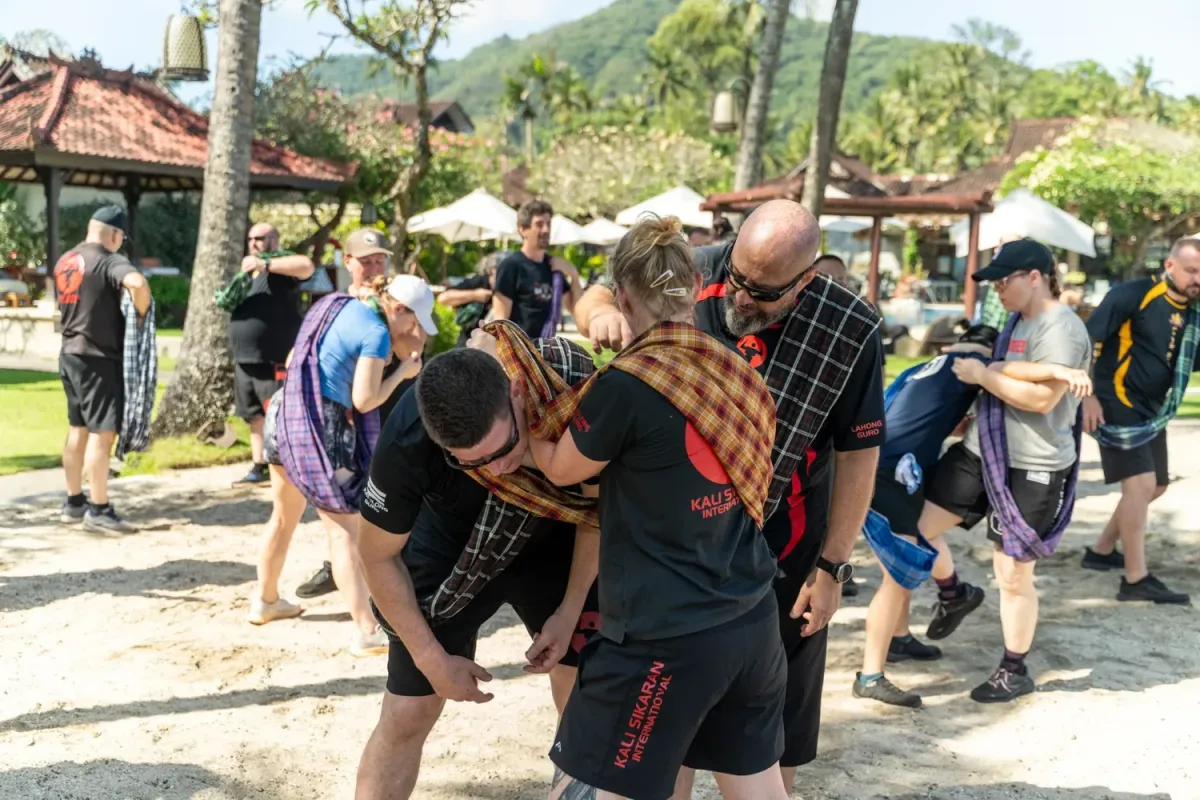
Heikki's teaching combines technical detail with an emphasis on understanding why things work. Rather than simply demonstrating a technique and expecting everyone to copy it, he enjoys exploring the principles behind the movement, how it connects to other skills and where it might be useful.
His sessions often include explanations, comparisons with other martial arts and the occasional story or unusual analogy. Some are more helpful than others, but they usually make the lesson memorable. He encourages questions and believes that understanding a technique is far more valuable than simply being able to repeat it.
Heikki can be demanding, particularly when it comes to attention, effort and willingness to learn. However, he also recognises that people arrive with different backgrounds, abilities and goals. His intention is to challenge participants appropriately while helping them make progress from wherever they are starting.
At Kali in Bali, participants can expect practical instruction, plenty of opportunities to explore the material with training partners and an atmosphere where curiosity and a willingness to learn are more important than rank or reputation.
Above all, Heikki hopes people leave his sessions with a clearer understanding of what they have learned, a few useful ideas to explore further and the confidence to continue developing their own skills.
Looking Forward
Continuing to Learn, Share and Grow
After more than four decades in martial arts, Heikki still finds plenty to learn, questions to explore and ideas worth pursuing. His interests have changed over the years, but his enthusiasm for discovering better ways to teach, train and bring people together remains much the same.
He is particularly grateful for the friendships and opportunities that martial arts have brought into his life, and for the many people who have contributed to his development along the way.
Whether meeting someone on the training floor for the first time or catching up with an old friend at another international camp, Heikki looks forward to sharing a few techniques, exchanging ideas and, almost certainly, a story or two.
He hopes to see you at Kali in Bali.